News

Is PC Luggage Light Enough to Help You Avoid Those Overweight Baggage Fees—or Does Durability Come at a Cost?

2026-08-28 0 Leave me a message

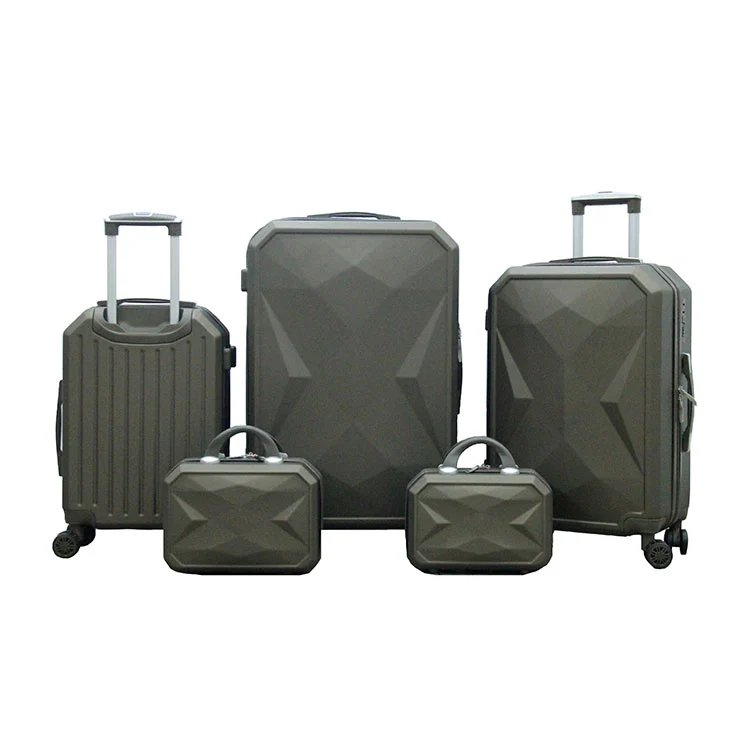
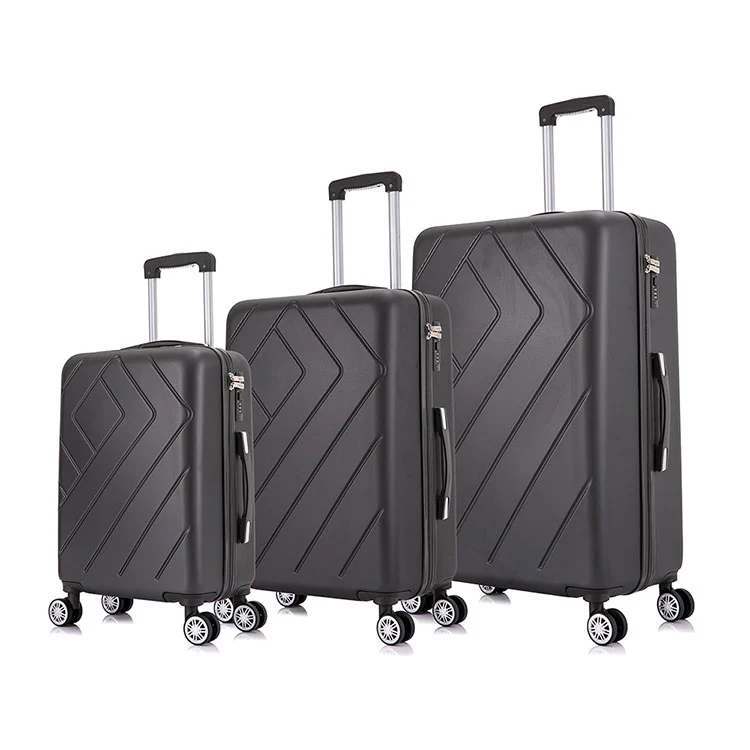
Ruian Senda Luggage & Leather Goods Co., Ltd. produces PC luggage as airlines and travelers pay closer attention to suitcase weight, usable capacity, and shell durability.

For frequent air travelers, luggage weight creates a practical problem: every kilogram occupied by the suitcase itself is a kilogram that cannot be used for clothing, equipment, or personal items. When checked-baggage limits are strict, the difference between a lighter shell and a heavier one can determine whether a packed suitcase stays within the permitted weight.

Polycarbonate, commonly known as PC, has become an important material in hard-shell luggage because it can provide impact resistance without requiring an excessively thick shell. But the question is not simply whether PC luggage is "light." The more useful question is how shell material, thickness, dimensions, wheels, handles, frame construction, and other components combine to determine the final weight.

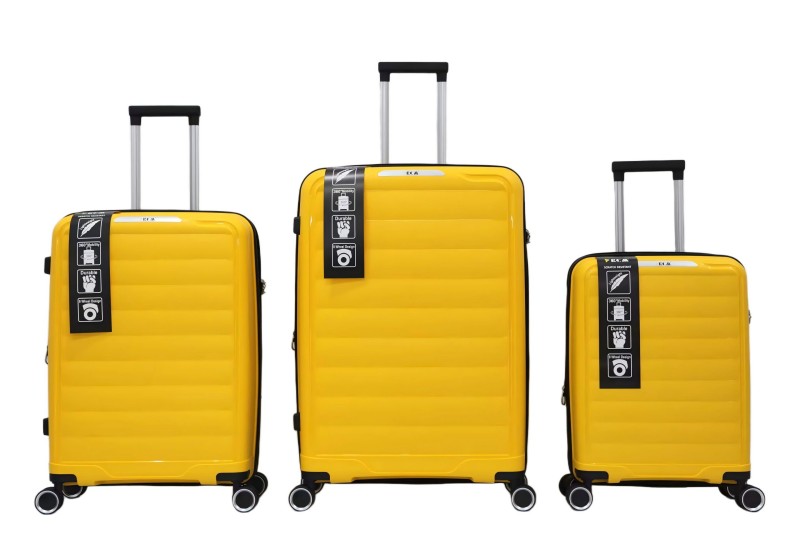
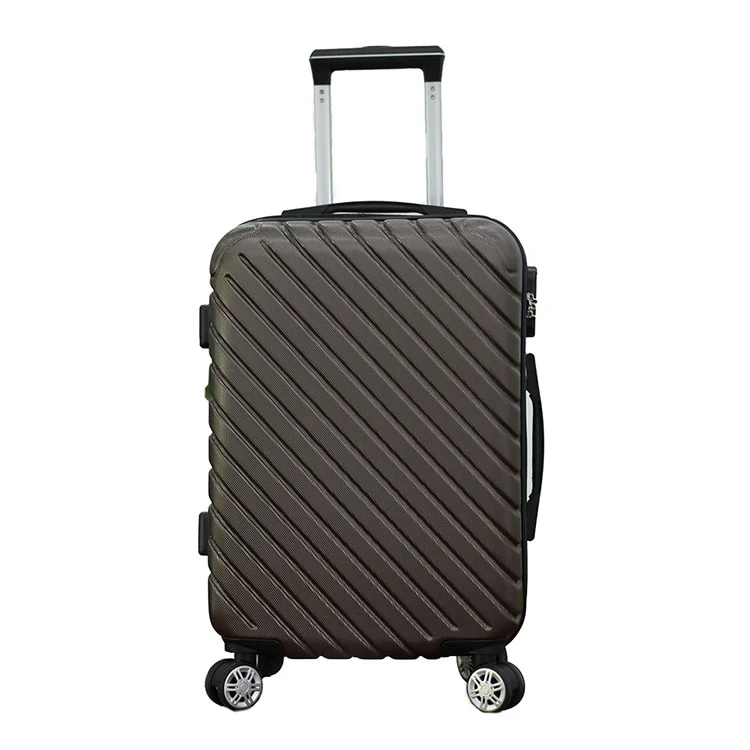
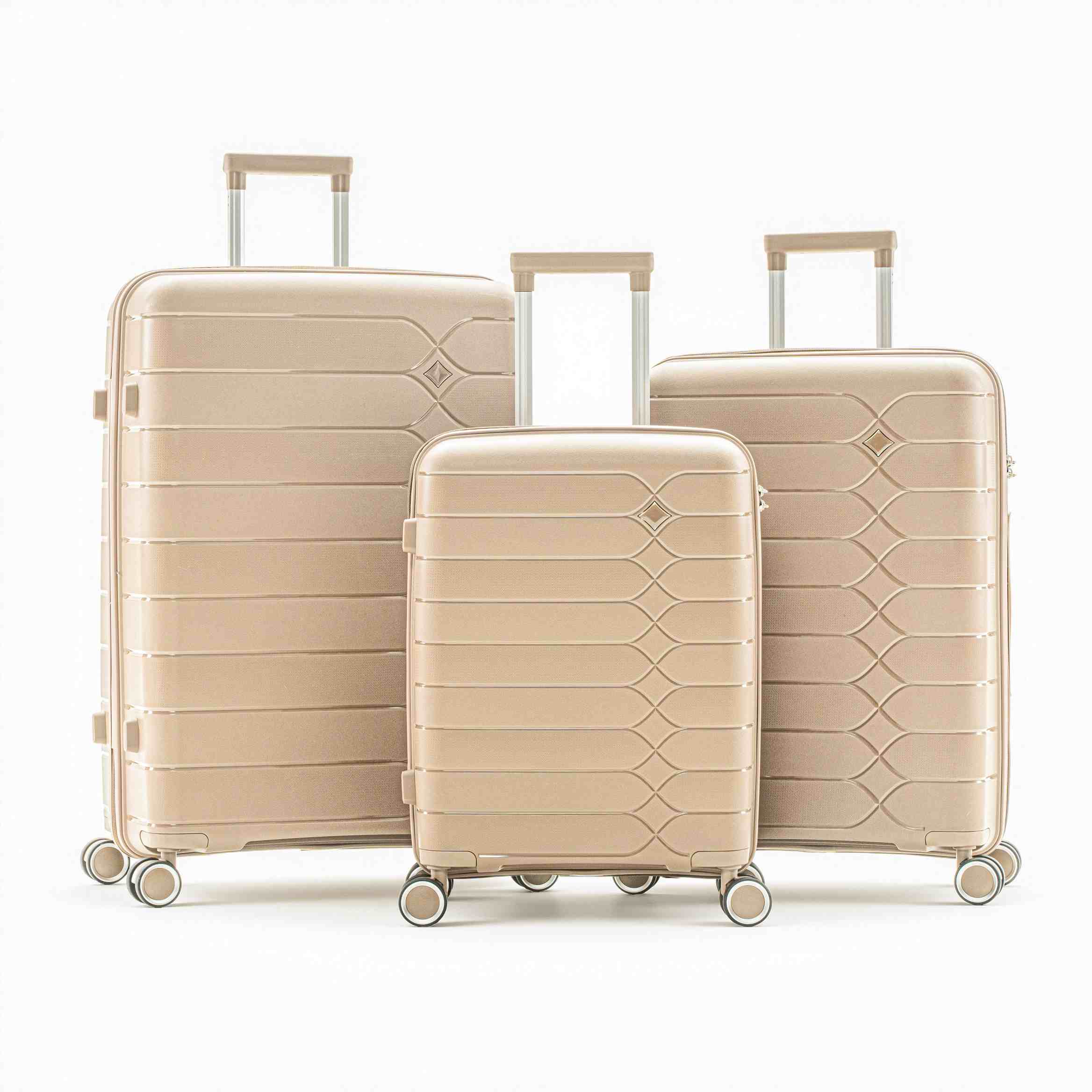
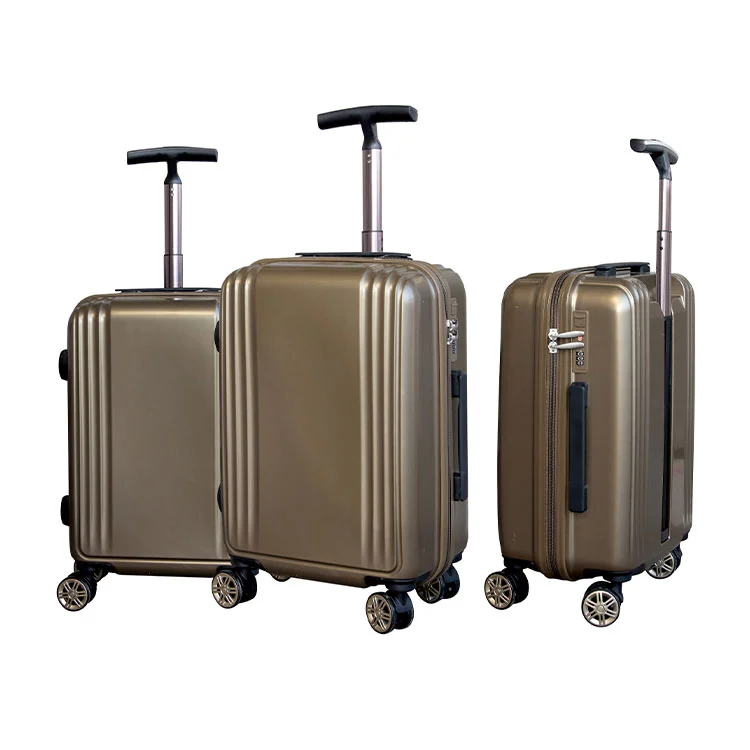
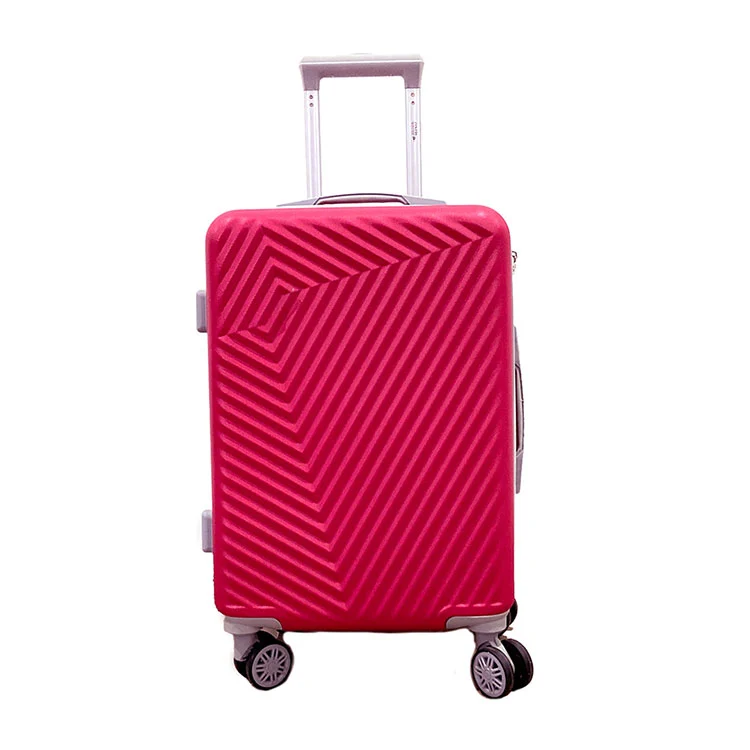
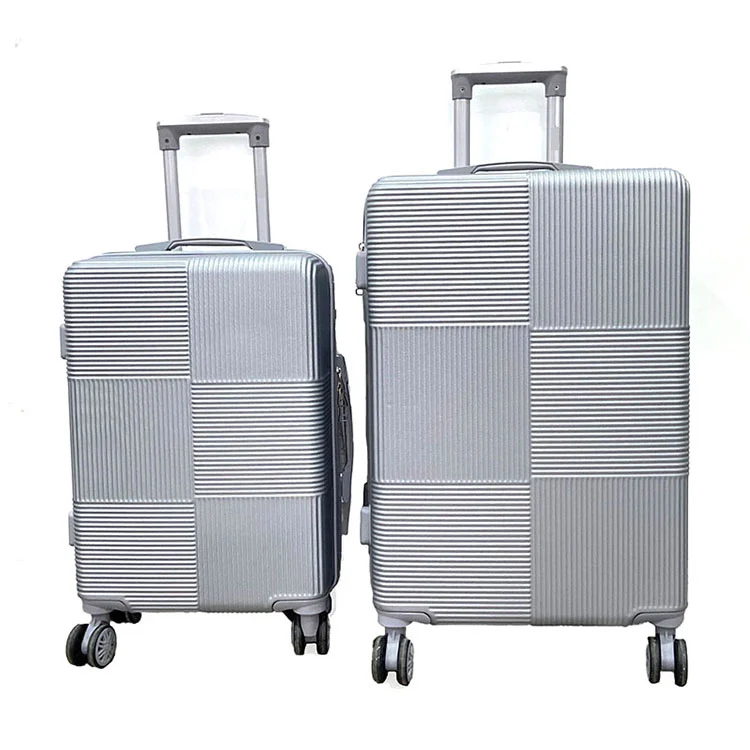
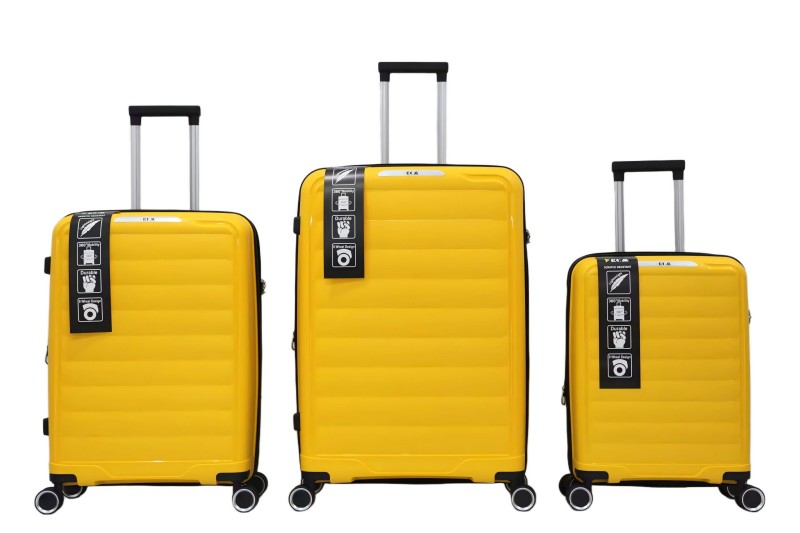
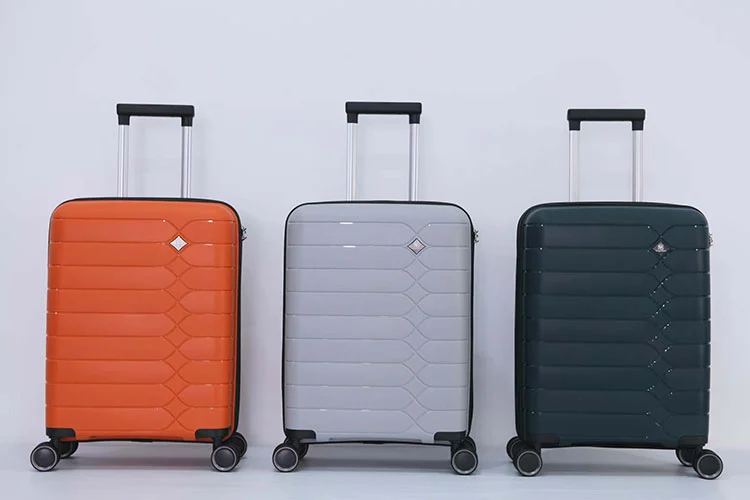
PC luggage

Why Luggage Weight Matters Before the Suitcase Is Packed

A suitcase has a fixed empty weight before anything is placed inside. This creates a direct relationship between shell construction and available packing weight.

For example, if an airline permits a checked suitcase weighing 23 kg, an empty suitcase weighing 4 kg leaves approximately 19 kg for its contents. A suitcase weighing 3 kg under the same limit leaves approximately 20 kg.

That one-kilogram difference may not sound significant, but it becomes more noticeable when travelers carry shoes, electronics, books, samples, or other dense items.

Factor Effect on Total Luggage Weight Why It Matters
Shell material High Determines the basic shell weight
Shell thickness High More material generally adds weight
Suitcase size High Larger shells require more material
Wheels Medium Wheel size and construction affect weight
Telescopic handle Medium Metal components add structural weight
Zippers and fittings Low to medium Individual components are small but add up
Interior lining and dividers Low to medium Improve organization but increase empty weight

This is why comparing luggage only by material name can be misleading. Two PC suitcases may have noticeably different weights even when they use the same basic polymer.

Does PC Really Offer a Good Weight-to-Durability Balance?

Polycarbonate is valued in luggage production because it combines relatively low density with useful mechanical properties. The material can flex under certain impacts rather than behaving like a completely rigid and brittle shell.

This characteristic is particularly relevant during baggage handling. A suitcase may be squeezed between other bags, pushed against hard surfaces, or subjected to localized impact. A shell that can absorb and distribute some of this force has an advantage over a design that depends entirely on rigid thickness.

However, making the shell thicker is not automatically the best solution. Increasing material thickness can improve resistance to certain forms of damage, but it also increases empty weight.

The practical challenge is therefore finding an appropriate balance between:

  • Shell thickness
  • Structural reinforcement
  • Overall suitcase dimensions
  • Material distribution
  • Weight
  • Impact performance
  • This balance is one reason PC luggage remains relevant in hard-shell suitcase development.

    A Lighter Shell Is Not the Whole Story

    A suitcase advertised as lightweight can still become relatively heavy after wheels, handles, corner components, locks, lining, and internal structures are added.

    For this reason, product specifications should distinguish between shell material and finished suitcase weight.

    A PC shell may be comparatively light, but the complete product must be evaluated as a system.

    PC Versus ABS: Where Does the Difference Appear?

    ABS is also widely used in hard-shell luggage. It offers useful rigidity and is suitable for many suitcase structures. PC, however, is often selected when impact performance and weight balance are important considerations.

    The comparison is not simply "PC is better than ABS." Each material can be configured differently through shell thickness, forming processes, surface design, and structural details.

    Characteristic PC Luggage ABS Luggage
    Weight potential Relatively low Relatively low
    Impact behavior Good flexibility and impact resistance Good rigidity with suitable shell design
    Surface design Wide range of finishes and textures Wide range of finishes and textures
    Processing Suitable for forming complex shells Widely used for molded luggage shells
    Typical design focus Weight and impact balance Structural practicality and cost control
    Suitability Frequent travel and checked luggage applications General travel applications

    Actual performance depends on the complete construction rather than the material label alone.

    How Much Can Suitcase Design Influence Weight?

    A suitcase's empty weight is affected by more than its shell. The design team must decide how much material is necessary around areas that receive higher stress, such as corners, wheel mounts, handle connections, and closure areas.

    A large suitcase with oversized wheels may weigh more than a smaller PC suitcase even if both use the same shell material. Likewise, additional compartments, reinforced frames, heavy metal hardware, and thick internal partitions can increase the final weight.

    For luggage intended for air travel, these details matter because usable packing capacity is not determined by external dimensions alone.

    Large Capacity Does Not Automatically Mean Better Weight Efficiency

    Increasing suitcase dimensions creates more internal volume, but it also increases shell area. If the design does not control material distribution, the additional volume may come with a significant increase in empty weight.

    This creates a useful design question: How much additional packing space is gained for every additional kilogram of suitcase weight?

    For frequent travelers, this ratio can be more meaningful than capacity alone.

    What Happens When a Suitcase Is Too Heavy?

    Airline baggage policies vary by route, airline, ticket class, and travel conditions, so there is no universal weight limit. However, many travelers encounter weight thresholds for checked luggage.

    When the suitcase itself consumes too much of the available allowance, several problems can occur:

    1. Less weight remains for personal belongings.
    2. Dense items become harder to pack within the limit.
    3. Travelers may need to redistribute belongings between bags.
    4. Additional baggage charges may apply when the applicable allowance is exceeded.

    This makes empty suitcase weight an important specification rather than a minor product detail.

    Can Lightweight Construction Reduce Durability?

    This is where luggage design becomes more complicated.

    Reducing weight by simply removing material may weaken certain areas of the shell. On the other hand, using excessive material can create a heavy suitcase that is difficult to justify for air travel.

    The goal is not the lowest possible weight. It is an appropriate weight for the expected use.

    A practical PC suitcase therefore needs enough structural integrity around stress points while avoiding unnecessary material throughout the entire shell.

    Modern forming and molding processes allow manufacturers to control shell geometry, ribs, edges, corners, and other structural features. These elements can provide stiffness without relying entirely on greater wall thickness.

    Why Shell Geometry Matters

    A flat sheet can flex relatively easily. Introducing curves, edges, ribs, or other geometric features can change how forces move across a shell.

    This principle is already familiar in many everyday products. Structural shape can contribute to stiffness without simply adding more material.

    For PC luggage, shell geometry can therefore influence both weight and structural behavior.

    This is also where surface design and structural design can overlap. A textured or formed exterior may provide visual differentiation while also changing the shell's local stiffness.

    What Should Be Checked When Evaluating PC Luggage?

    Weight should be assessed together with the rest of the suitcase specifications.

    Specification Useful Question
    Empty weight How much of the baggage allowance does the suitcase consume?
    Dimensions Does the size match the intended travel requirements?
    Shell material Is PC used throughout the shell or combined with other materials?
    Shell construction Are stress-prone areas adequately reinforced?
    Wheel system Do the wheels add unnecessary weight?
    Handle structure Is the telescopic system appropriately designed?
    Interior structure How much weight comes from lining and dividers?
    Surface finish Will normal scratches and scuffs remain highly visible?
    Capacity Does the internal volume justify the suitcase's total weight?

    These specifications provide a more useful picture than simply describing a suitcase as "lightweight" or "durable."

    PC Luggage Is About Balance, Not the Lowest Number on the Scale

    The central issue is not whether PC luggage can be made light. It can. The more important consideration is how much weight is required to achieve the intended combination of impact resistance, structural stability, capacity, and everyday usability.

    Ruian Senda Luggage & Leather Goods Co., Ltd. has worked with PC, ABS, and PP luggage since its establishment in 2011. Its production development includes injection molding and forming equipment, while its product-related patents cover suitcase structures, materials, and design.

    For luggage used in air travel, the most useful evaluation is therefore a combined one: empty weight + capacity + shell construction + hardware weight + expected handling conditions.

    PC can provide a practical balance between weight and durability, but the final result depends on the complete suitcase design. A lighter suitcase is valuable when it preserves sufficient structural performance; a heavier suitcase is not automatically more durable simply because more material has been used. For travelers concerned about baggage limits, PC Luggage from Ruian Senda Luggage & Leather Goods Co., Ltd. represents this design balance rather than a simple race toward the lowest possible empty weight.

    Related News
    Leave me a message
    X
    We use cookies to offer you a better browsing experience, analyze site traffic and personalize content. By using this site, you agree to our use of cookies.Privacy Policy