News

How Does The Design Of ABS Carry On Luggage Maximize Interior Space?

2026-06-17 0 Leave me a message

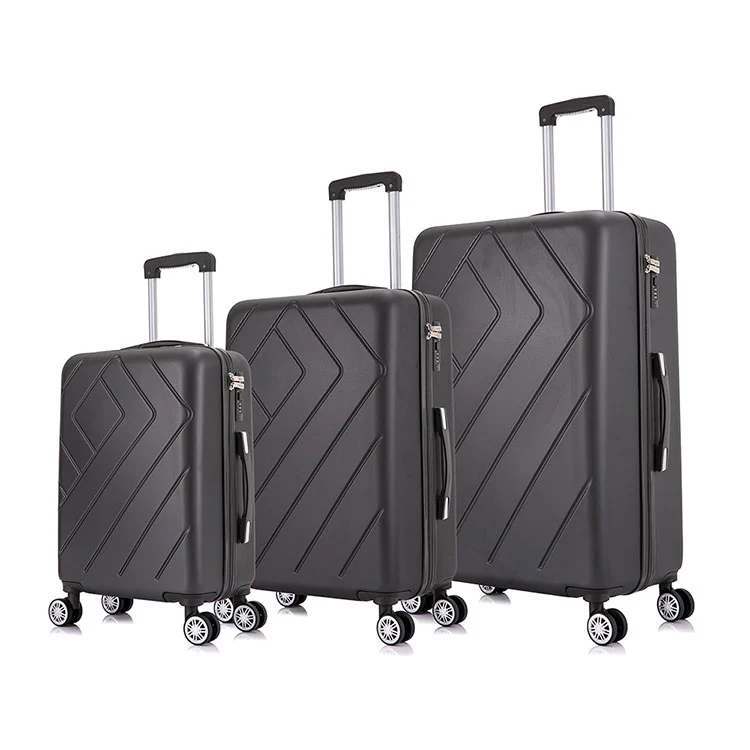
Ruian Senda Luggage & Leather Goods Co., Ltd. highlights how ABS Carry On Luggage design reshapes interior space utilization by rethinking shell structure, internal layering, and travel behavior needs. As modern travel becomes more frequent and time-sensitive, the question of how to maximize usable capacity without increasing external dimensions has become a central topic in luggage engineering discussions.

Rather than simply expanding size, contemporary design focuses on "hidden space efficiency"—how every millimeter inside a suitcase can be structurally optimized while maintaining durability, stability, and ease of handling.

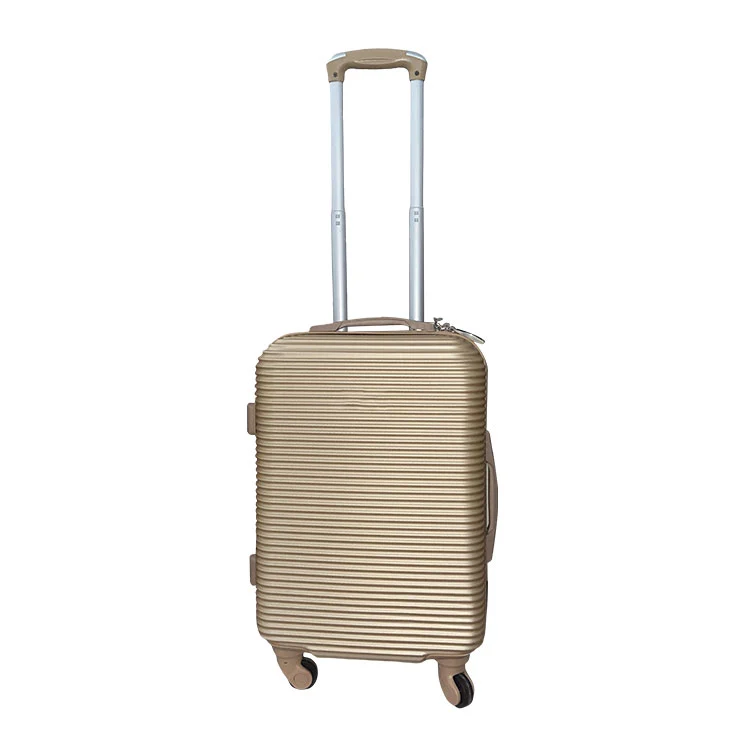
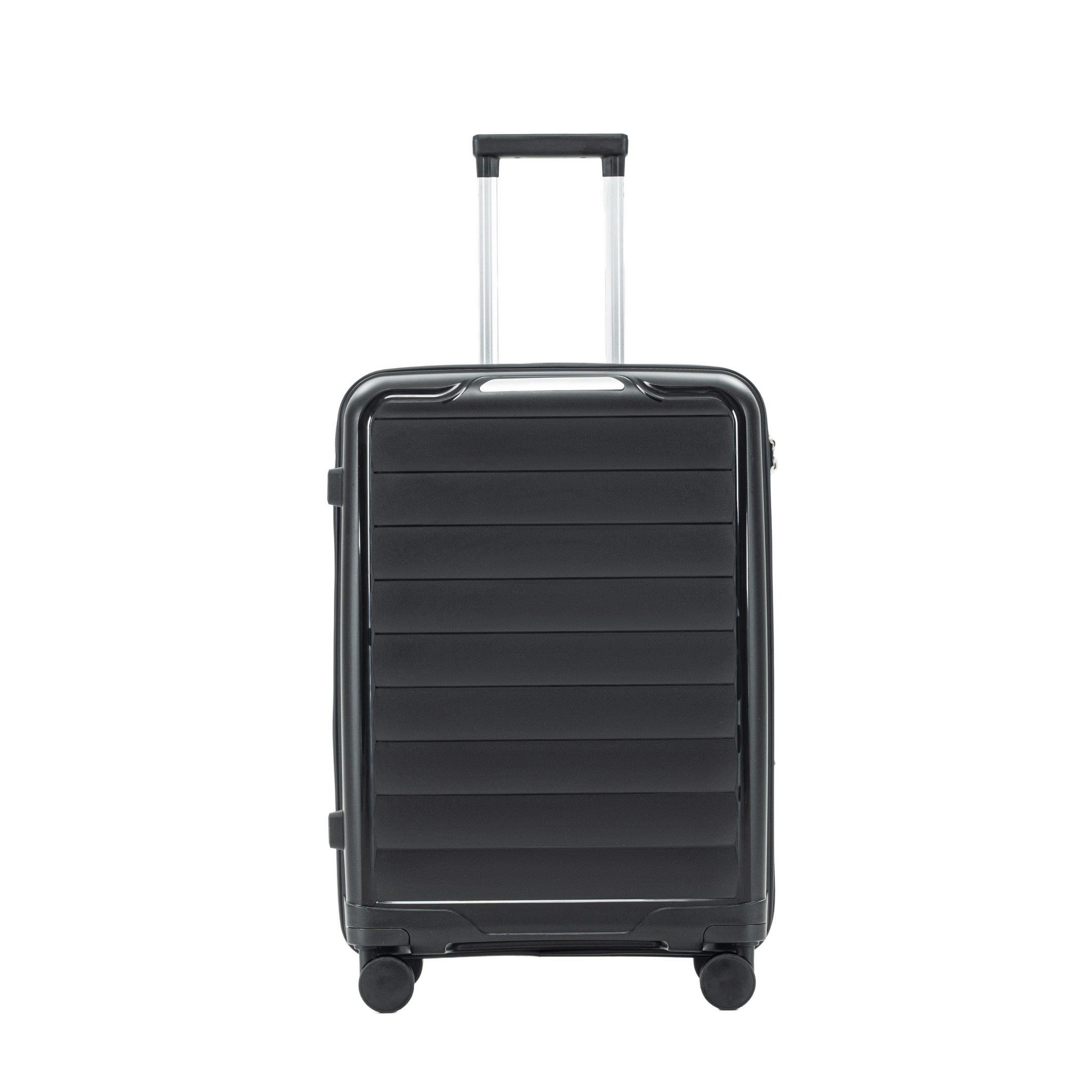
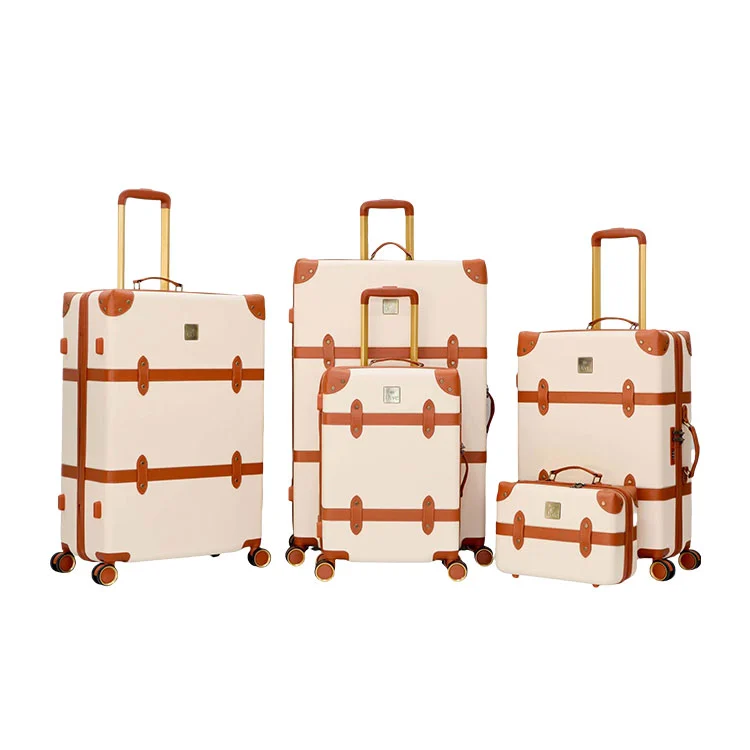
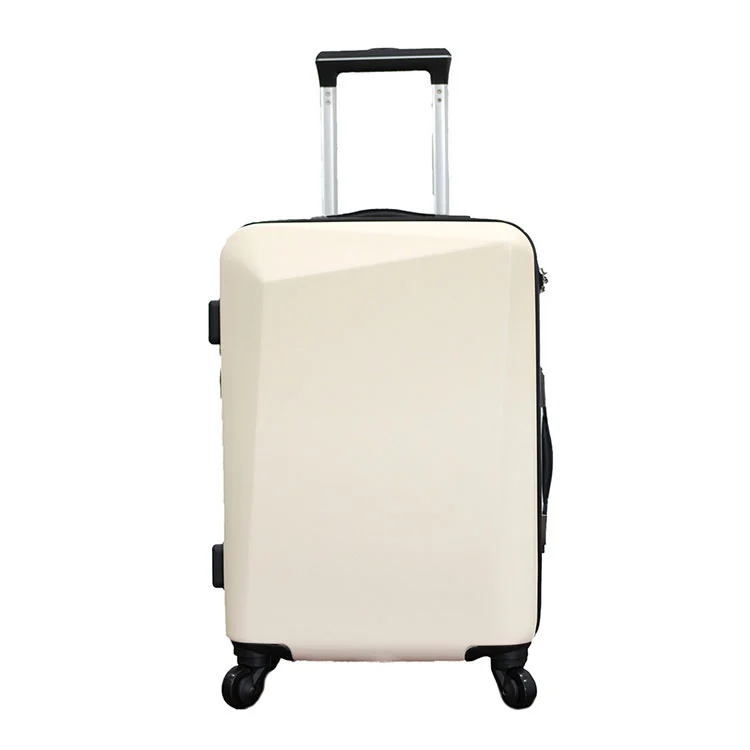
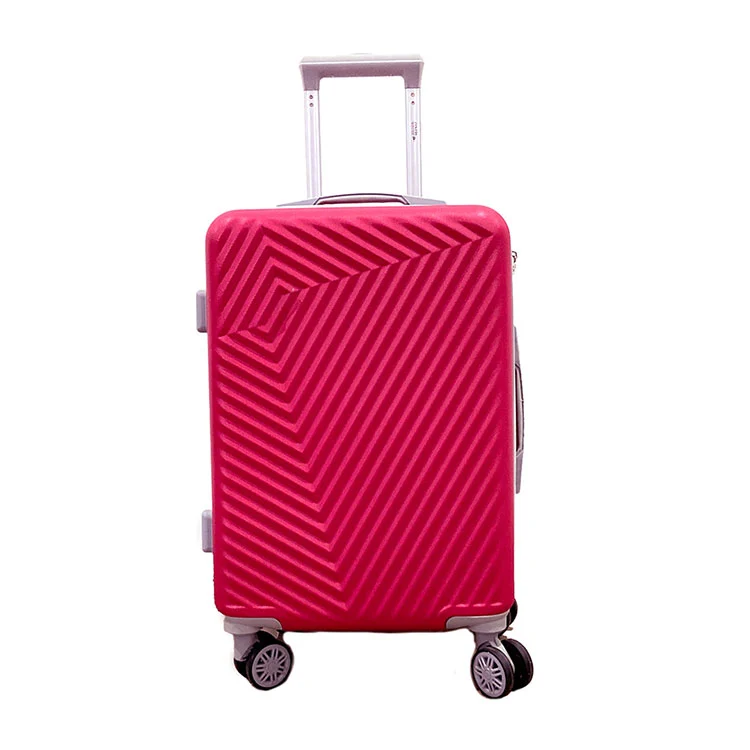
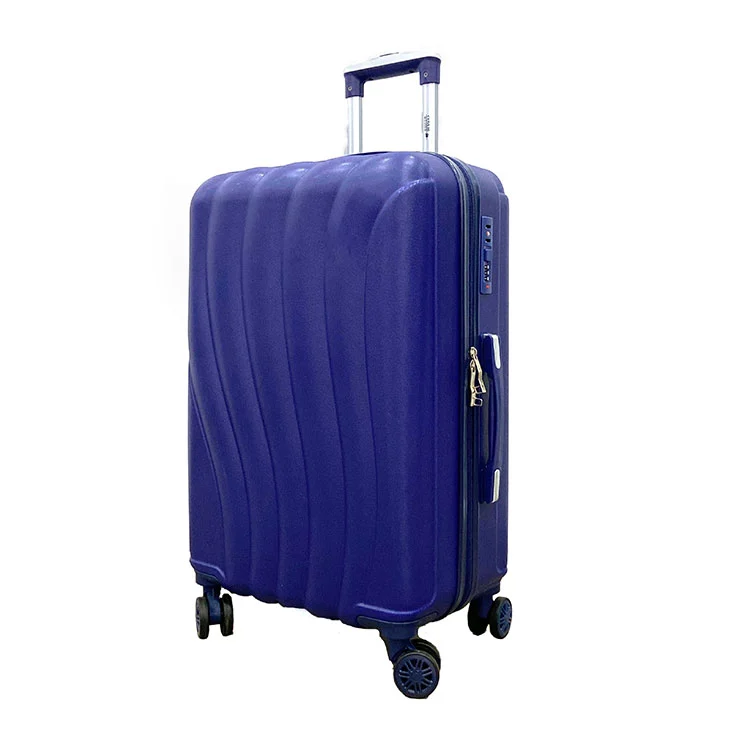
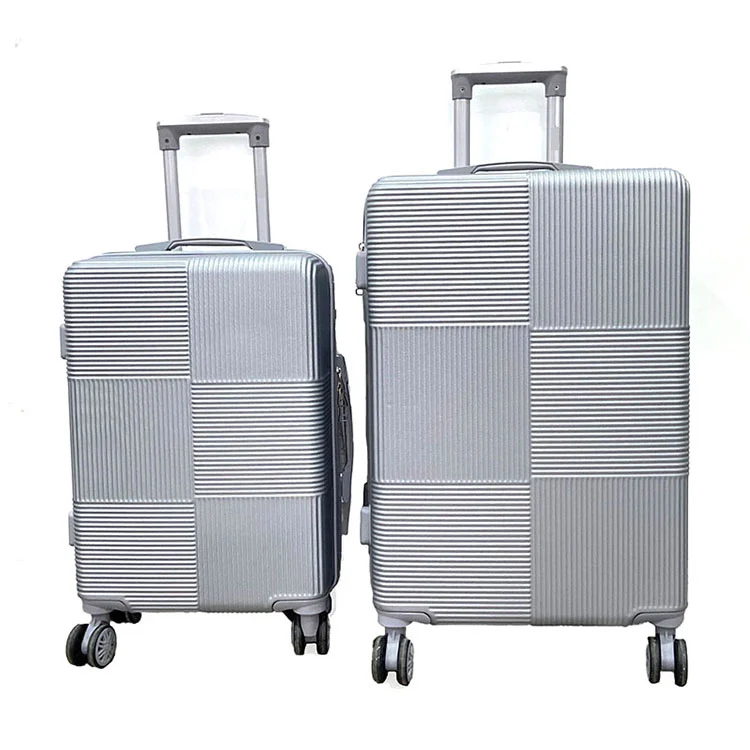
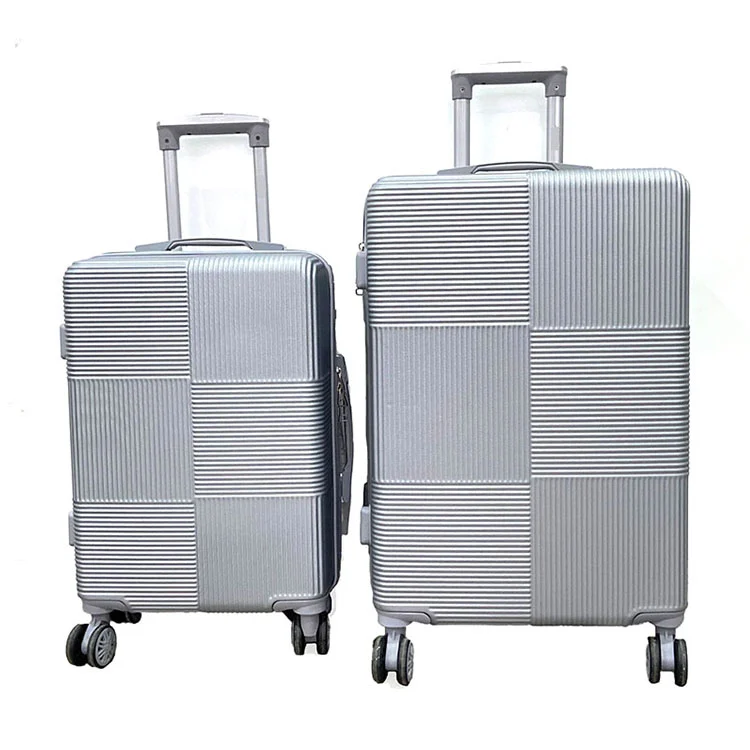
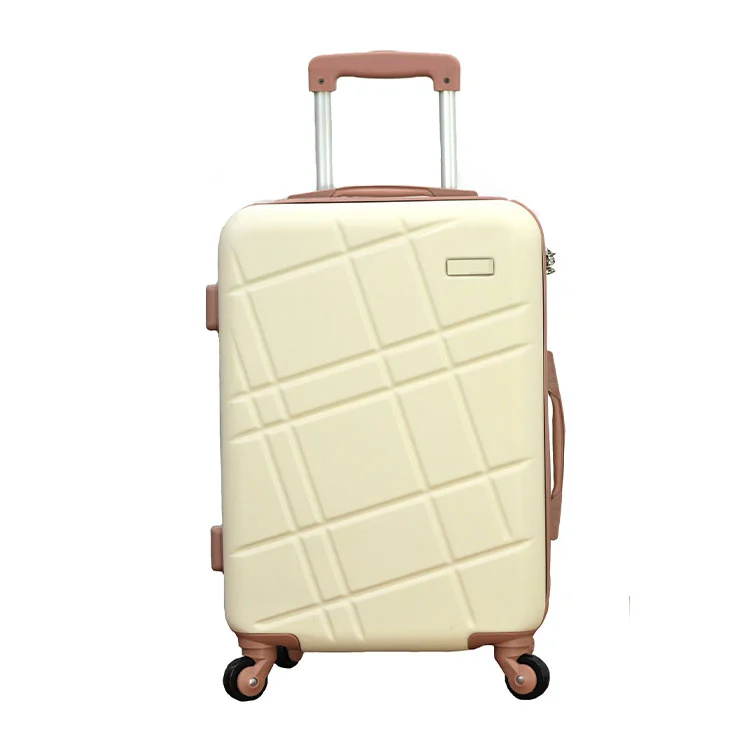
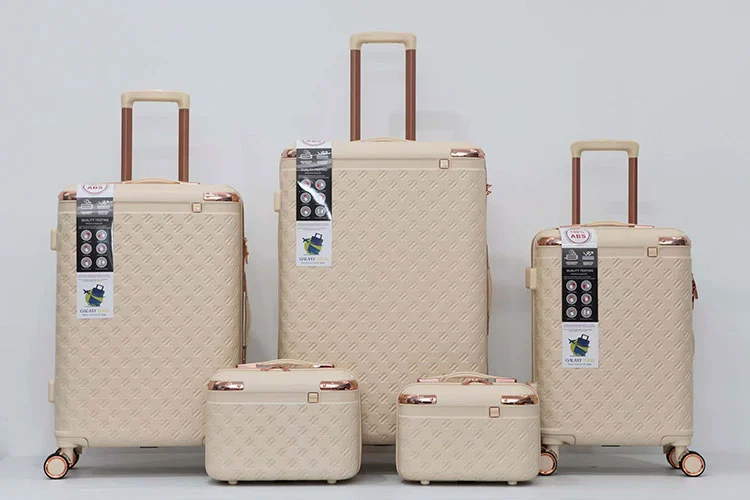
ABS Carry On Luggage

Evolving Design Logic Behind Modern Cabin Suitcases

The evolution of cabin suitcase design is closely tied to changes in mobility patterns. Short-distance international travel, business commuting, and multi-stop journeys require compact luggage that still supports diversified packing needs.

In this context, ABS Luggage has gained attention for its balance between rigidity and structural predictability. Unlike soft-shell alternatives, hard-shell structures allow designers to calculate internal geometry with higher precision, ensuring that every curve and corner contributes to usable storage rather than wasted voids.

Modern design thinking no longer treats luggage as a simple container. Instead, it is viewed as a spatial system composed of layered zones, stress-bearing surfaces, and adaptive compartments.

Space Optimization Principles in ABS Shell Engineering

Structural Curvature and Shell Compression

One of the most important aspects of space efficiency lies in how the outer shell is shaped. ABS materials allow for controlled thermoforming, which means the curvature of the suitcase can be designed to subtly expand internal volume without increasing external dimensions.

For ABS Carry On Luggage, engineers often refine corner radii and edge transitions to reduce unnecessary internal dead zones. Slight adjustments in shell curvature can lead to noticeable improvements in packing flexibility, especially in the top and bottom sections of the case.

This approach is particularly useful in cabin-sized luggage, where every liter of internal space directly impacts travel convenience.

Internal Layering Systems

Another critical design principle is the introduction of layered internal structures. Instead of a single open cavity, modern suitcases are divided into functional zones:

- Compression strap area
- Flat storage panel zone
- Mesh separation compartment
- Elastic quick-access pockets

These layers help distribute items more evenly, preventing bulging that would otherwise reduce usable space. In ABS Luggage, internal lining design plays a key role in maintaining shape integrity while supporting flexible packing styles.

How Interior Layout Transforms Packing Efficiency

Interior layout is no longer just about convenience—it directly determines how efficiently space is used under real travel conditions. Engineers and designers increasingly analyze how different user behaviors affect internal organization.

The table below illustrates common internal layout strategies and their functional impact:

Interior Design Element Functional Purpose Space Efficiency Impact
Compression Straps Stabilize clothing layers Reduces shifting and volume expansion
Dual Compartment Design Separate clean/used items Improves organization without volume loss
Mesh Pockets Store small accessories Utilizes vertical side space
Flat Divider Panels Prevent item overlap Maintains structural order
Elastic Bands Secure irregular items Minimizes unused gaps

Through these structural choices, ABS Luggage achieves a more predictable internal environment, allowing users to organize items efficiently without relying on external expansion features.

Materials and Structural Balance: ABS, PC, PP Considerations

Material selection plays a foundational role in determining how interior space is shaped. ABS is particularly valued for its molding stability and cost-efficient rigidity, making it suitable for precise structural engineering.

Compared with more flexible materials, ABS maintains consistent shell geometry under pressure. This stability allows designers to reduce redundant reinforcement layers inside the suitcase, indirectly increasing usable capacity.

In hybrid designs, ABS is often combined with PC or PP to balance weight, impact resistance, and flexibility. However, in cabin luggage applications, ABS remains widely used due to its predictable deformation resistance and ease of forming complex internal curves.

For ABS Carry On Luggage, this material stability ensures that internal compartments remain aligned even under repeated handling conditions, preventing internal space distortion over time.

Engineering Details That Influence Usable Space

While shell structure defines the outer boundary, internal usability is often determined by smaller engineering components that are frequently overlooked.

Key structural elements include:

- Zipper system depth control: Prevents inward intrusion that reduces internal width
- Handle channel integration: Optimizes telescopic handle housing without occupying central storage zones
- Wheel housing design: Minimizes corner space loss while maintaining mobility
- Frame reinforcement routing: Redirects structural stress away from storage cavities

Each of these elements contributes to a subtle but meaningful increase in practical storage efficiency. In advanced ABS Luggage designs, these features are integrated early in the development stage rather than added later, ensuring that space optimization is part of the core structure rather than a secondary adjustment.

User Behavior and Real-World Space Expectations

Travel behavior has shifted significantly in recent years. Users increasingly prefer flexible packing systems that adapt to mixed-purpose trips—business items, casual wear, and electronic accessories often coexist within the same cabin suitcase.

This change has led to a stronger demand for predictable internal layouts. Instead of overcomplicated modular systems, many users prefer stable compartments that maintain order during movement.

Observations from travel usage patterns indicate:

- Frequent travelers prioritize quick access over deep stacking
- Short trips require efficient separation rather than maximum compression
- Airport handling conditions demand internal stability more than expandable volume

Within this context, ABS Luggage design aligns with a more structured and reliability-focused approach, where space is optimized through clarity rather than complexity.

Integration of Design and Functional Stability

A key challenge in luggage engineering is maintaining a balance between structural strength and usable space. Over-reinforcement can reduce internal capacity, while under-reinforcement may compromise durability.

Modern ABS-based designs address this through:

- Strategic ribbing patterns on shell interiors
- Minimalist frame distribution
- Load-balanced corner reinforcement
- Integrated shock absorption zones

These techniques ensure that internal space is preserved without weakening the overall structure. The result is a more efficient use of volume that remains stable even under repeated travel stress.

In addition, internal fabric lining systems, such as high-density polyester layers, help maintain smooth surfaces that reduce friction and improve packing efficiency.

Conclusion

The optimization of interior space in modern suitcase design is no longer driven by size increases, but by structural intelligence and material precision. Through controlled shell geometry, layered internal systems, and carefully integrated engineering components, ABS Carry On Luggage demonstrates how functional space can be maximized within fixed dimensions.

Ruian Senda Luggage & Leather Goods Co., Ltd. reflects this design direction through its continued focus on structural refinement, material stability, and practical usability in everyday travel scenarios.

Related News
Leave me a message
X
We use cookies to offer you a better browsing experience, analyze site traffic and personalize content. By using this site, you agree to our use of cookies.Privacy Policy
RejectAccept